
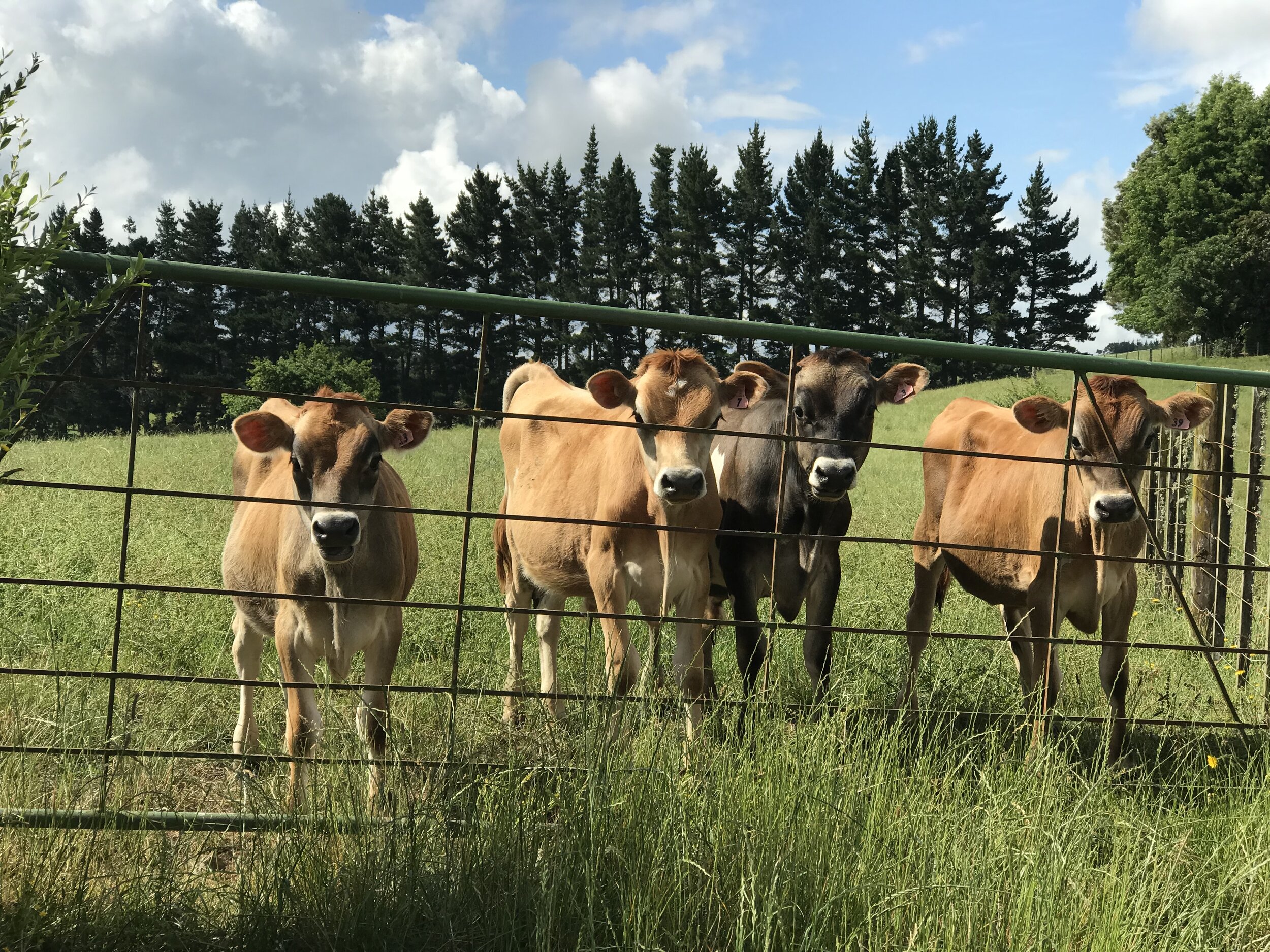
BVD Free New Zealand
Bovine Viral Diarrhoea (BVD) virus is an infectious disease that costs New Zealand cattle farmers more than $150 million every year in direct production losses and $40 million every year in ongoing expenses from BVD control. About 15% to 25% of dairy herds and 45% to 55% of beef herds have cattle that are actively infected with the virus. With the effective diagnostic tests and vaccines that are currently available, it is possible for the cattle industries to eradicate BVD within 5 to 10 years and with an estimated benefit : cost ratio of 1.80. Help protect the future of New Zealand cattle farming by building a BVD plan for your business.
Learn More
Learn more about the people, the science, and the business case behind the efforts to build a BVD free future for our cattle industry.

About Us
Find out more about the history of BVD control in New Zealand and the people who support us.
BVD Basics
Brush up on your basic knowledge of BVD and the measures we can take to control it.

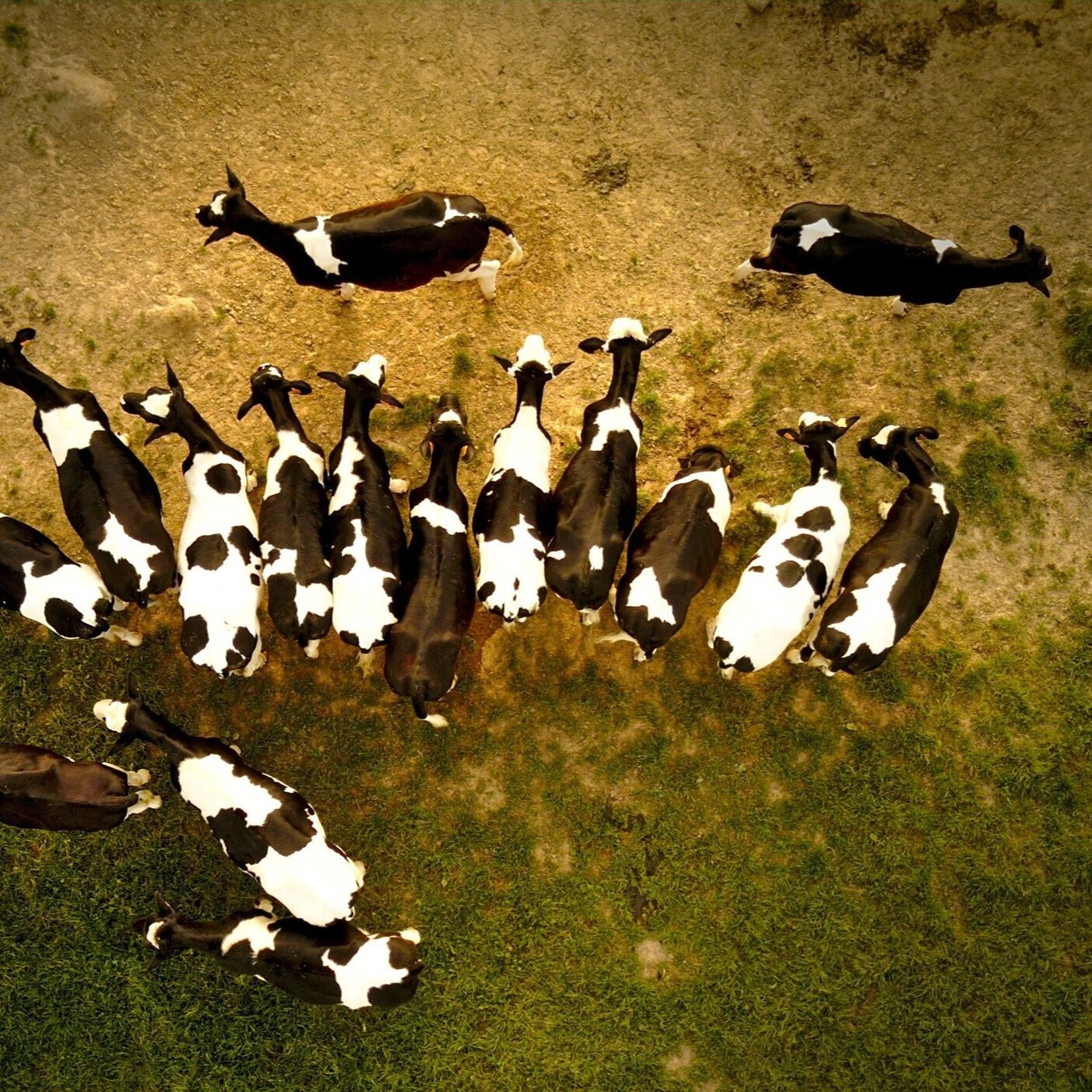
Business Case
See how the numbers stack up for the different national BVD eradication options for New Zealand.
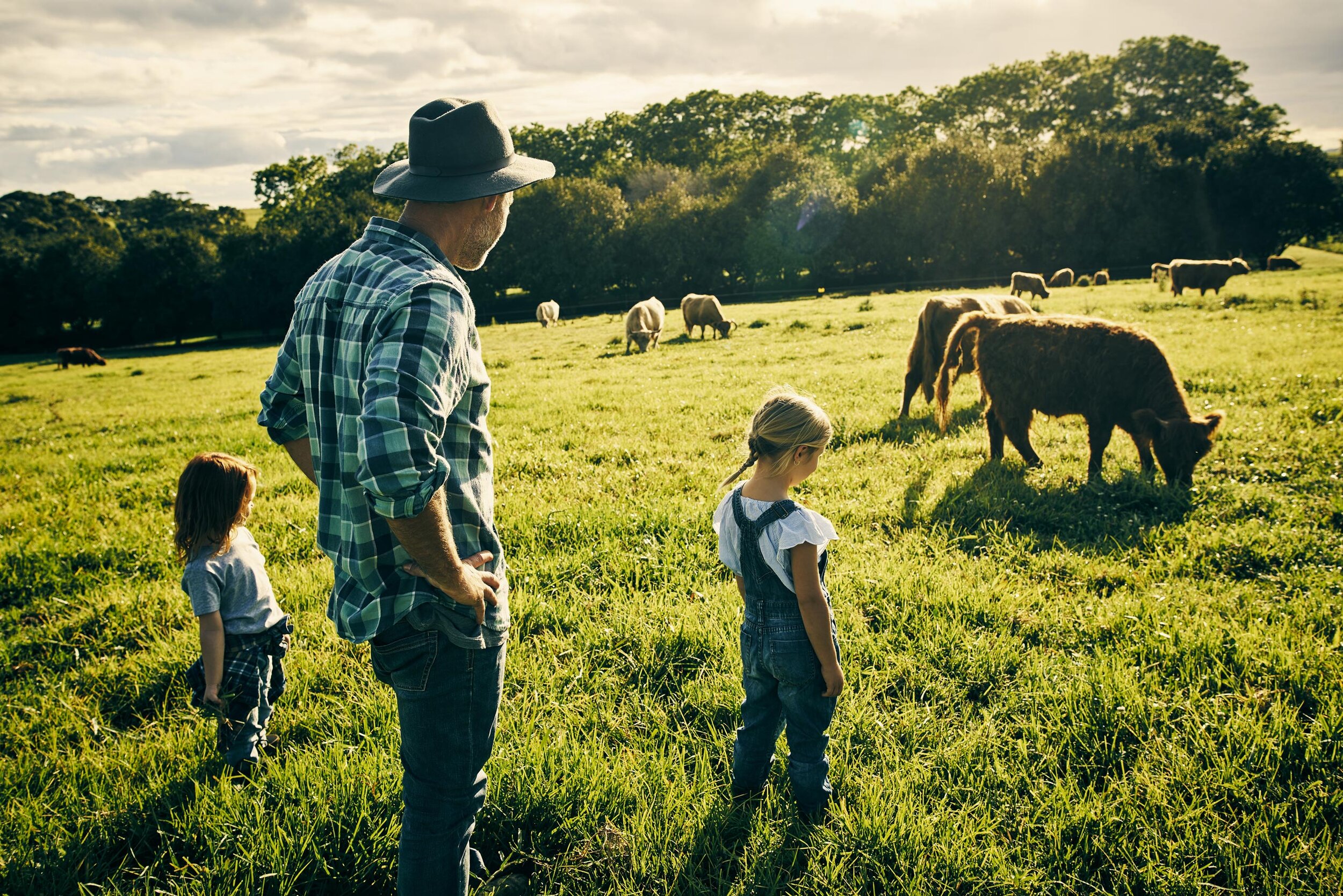
“There are a lot of challenges facing the next generation of New Zealand beef and dairy farmers. Bovine Viral Diarrhoea doesn’t have to be one of them.”
Carolyn Gates, BVD Free Project Manager
Get involved
Doing something to assess the risks and manage the impacts of BVD is always better for your business than doing nothing.
Step 1: Schedule a BVD Consult
Make an appointment with your herd health veterinarian to discuss BVD.
Step 2: Assess Your BVD Risks and Goals
Assess your current BVD status, risk factors, and management goals.
Step 3: Explore Your BVD Control Options
Explore the benefits and costs of the different BVD management options.
Step 4: Choose a BVD Plan for Your Herd
Choose and implement the BVD management plan that works for you.
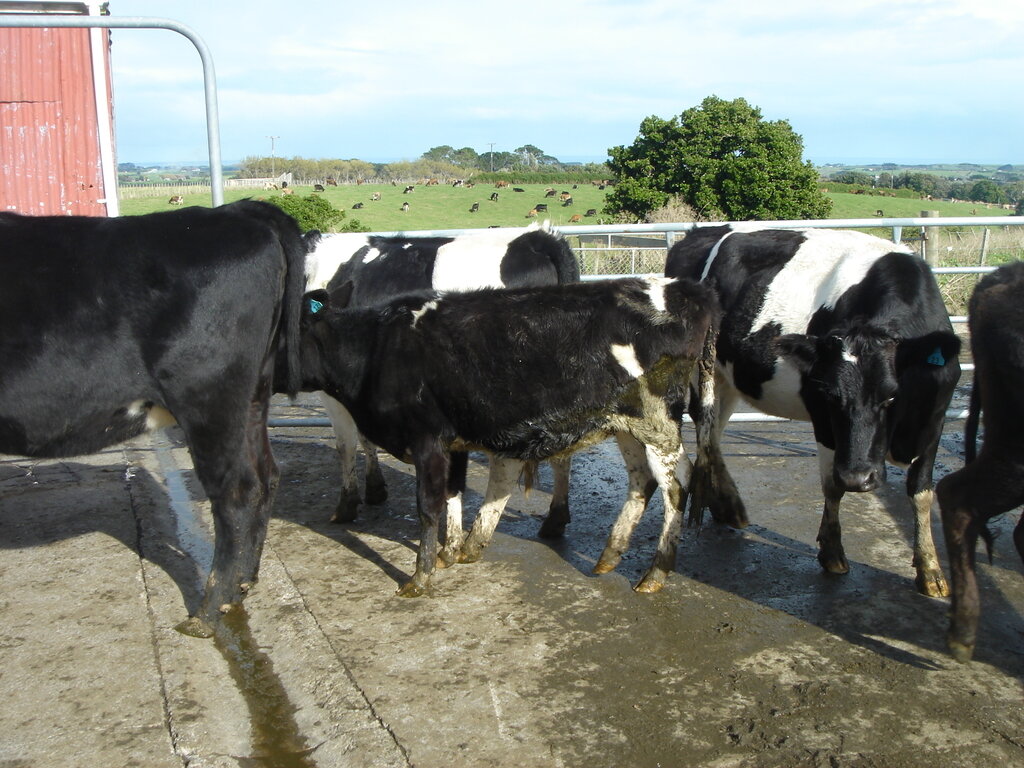
Are persistently infected animals hiding in your herd?
Talk to your veterinarian about testing options
Stay Informed
Keep up to date with the latest news and research from BVD Free.


